Bohol vs. Coron vs. Cebu: Which Philippines Island Wins for Divers?
The Philippines is an archipelago of over 7,000 islands, making it a dream destination for scuba divers. However, with so many world-class spots, choosing where to spend your precious bottom time can be a challenge. Three names constantly rise to the top of the list: Bohol, Coron, and Cebu.
Each of these destinations offers a completely different “flavor” of diving. Are you looking for haunting historical shipwrecks, high-speed thresher sharks, or the perfect mix of vibrant coral walls and luxury island life? In this guide, we’ll break down the pros and cons of each to help you decide which island wins the title of your next dive holiday.
Coron: The Kingdom of Rust and History
If your idea of a perfect dive involves penetrating dark engine rooms and seeing the “ghosts” of the past, Coron is your winner. Located in the Palawan province, Coron is world-famous for its concentration of World War II Japanese shipwrecks.
The Wrecks
In 1944, a US Navy air raid caught a Japanese supply fleet hiding in Coron Bay. Today, you can dive massive vessels like the Irako, a 147-meter refrigeration ship, or the Akitsushima, a seaplane tender. These aren’t just piles of metal; they are thriving artificial reefs covered in sponges and home to giant scorpionfish and schools of batfish.
Beyond the Rust
Coron isn’t just about wrecks. Barracuda Lake offers a unique “thermocline” experience where you swim through layers of fresh and salt water that can reach a toasty 38°C (100°F). It’s like diving in a giant cup of tea with jagged limestone cliffs surrounding you.
Best for: History buffs, wreck enthusiasts, and advanced divers.
The Trade-off: Visibility inside the bay can be murky (5–15 meters), and there are fewer vibrant “coral garden” style reefs compared to other islands.
Cebu: The Land of Big Encounters
 Cebu is a massive island with several distinct diving hubs, making it a heavy hitter for those who want to see the “celebrities” of the ocean.
Thresher Sharks and Sardines
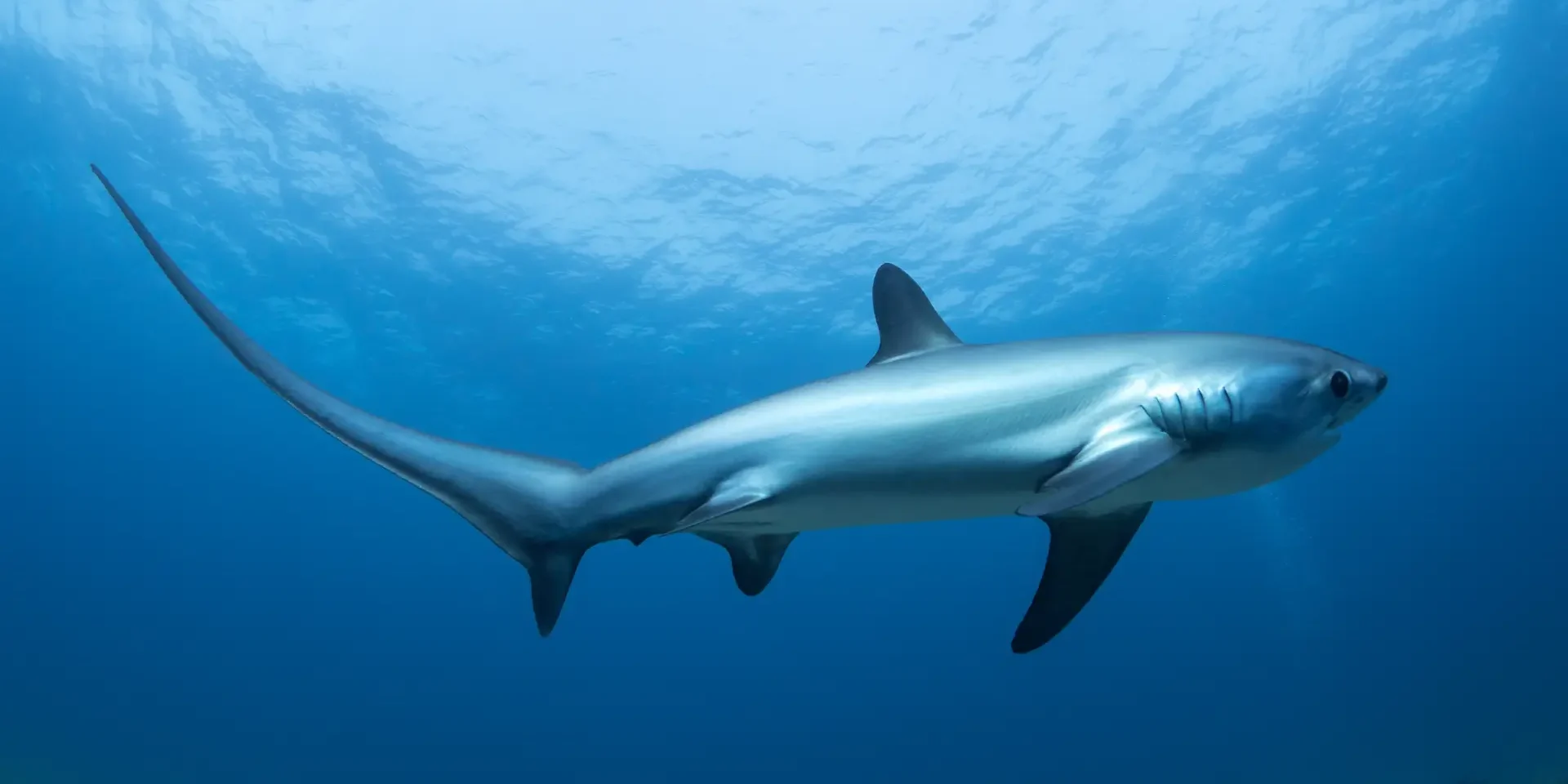
In the north, Malapascua is the only place on Earth where you can reliably see pelagic thresher sharks every single day. In the south, Moalboal is home to the famous sardine run, where millions of silver fish form swirling “bait balls” just meters from the shore.
Convenience and Controversy
Cebu is incredibly accessible thanks to its international airport. However, it’s also home to Oslob, where whale sharks are fed by locals to keep them in the area. While it guarantees a sighting, it remains a controversial practice for many eco-conscious divers.
Best for: Shark lovers, photographers, and those who want a “checklist” of famous marine life.
The Trade-off: Cebu is spread out. Traveling from the thresher sharks in the north to the sardines in the south requires a 6-to-7-hour bus ride, which can eat into your dive time.
Bohol: The All-Rounder Paradise
Bohol (specifically the island of Panglao) is often considered the most “balanced” dive destination in the Philippines. It offers the accessibility of Cebu but with a much more relaxed, community-focused vibe and some of the healthiest reefs in the country.
The Magic of Balicasag Island
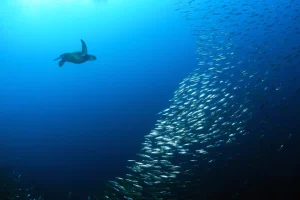
The crown jewel of diving Bohol is undoubtedly Balicasag Island. This marine sanctuary is a short boat ride from Alona Beach and is legendary for two things: turtles and jacks. It’s common to see a dozen green sea turtles on a single dive, and the “jack tornado”—a massive, swirling school of thousands of big-eye trevally—is a sight that rivals any other in the Philippines.
 The Diversity of Panglao
What makes scuba diving Bohol stand out is the sheer variety.
Napaling Reef: Known as Bohol’s answer to the sardine run, this site features a dramatic wall where you can swim through curtains of sardines without the crowds of Moalboal.
Doljo Point: A haven for advanced divers looking for deep walls, giant sea fans, and the occasional sighting of reef sharks or even hammerheads.
Macro Life: For those who love the “small stuff,” the local reefs are teeming with nudibranchs, frogfish, and pygmy seahorses.
Why It Wins for Ease of Travel
Unlike Coron (which can be a mission to reach) or Cebu (which requires long land transfers), everything in Bohol is compact. Most of the best dive sites are within a 15-to-45-minute boat ride from the beach.
When you aren’t underwater, you have the world-famous Chocolate Hills and Tarsier sanctuaries just an hour away. This makes it the perfect destination for divers traveling with non-diving partners or families.
Best for: Divers who want a mix of everything—walls, macro, big schools, and easy logistics.
The Trade-off: Balicasag has a daily permit system to prevent overcrowding, so you need to book your dives in advance.
The Verdict: Which Island Wins?
Choose Coron if you are an experienced diver who loves shipwrecks and wants to feel like an underwater explorer.
Choose Cebu if you are chasing specific species like the thresher shark and don’t mind long travel days between hubs.
Choose Bohol if you want world-class biodiversity, incredible visibility, and a stress-free holiday.
For many, scuba diving Philippines is about finding that “sweet spot” of professional service and pristine nature. In Bohol, shops like Sierra Madre Divers have built a reputation for helping divers navigate the local permit systems and finding the best conditions at Balicasag and beyond. Their local knowledge ensures you aren’t just following a crowd, but truly experiencing the best “secret” spots the island has to offer.
Ultimately, while Coron has the rust and Cebu has the sharks, Bohol offers a complete, high-quality experience that is hard to beat.