The sardine run in Panglao, located on the island of Bohol in the Philippines, is one of nature’s most enchanting underwater phenomena. Unlike the seasonal migration seen along South Africa’s coast, this version features resident schools of millions of sardines that gather year-round, creating dynamic displays of synchronized swimming. These small, silvery fish form massive shoals that twist and turn like living clouds, drawing in adventurers from around the world. Panglao, known for its pristine beaches and rich marine biodiversity, serves as the perfect backdrop for this spectacle, making it a must-visit for divers, snorkelers, and nature enthusiasts.
This natural wonder not only highlights the beauty of the ocean but also underscores the delicate balance of marine ecosystems. As visitors swim through the swirling masses, they experience a sense of immersion in a world where fish move as one, evading predators and thriving in harmony. In this article, we’ll explore the intricacies of the sardine run, from its location and the marine life it supports to the best ways to experience it and the efforts to protect it for future generations.
What is the Sardine Run?
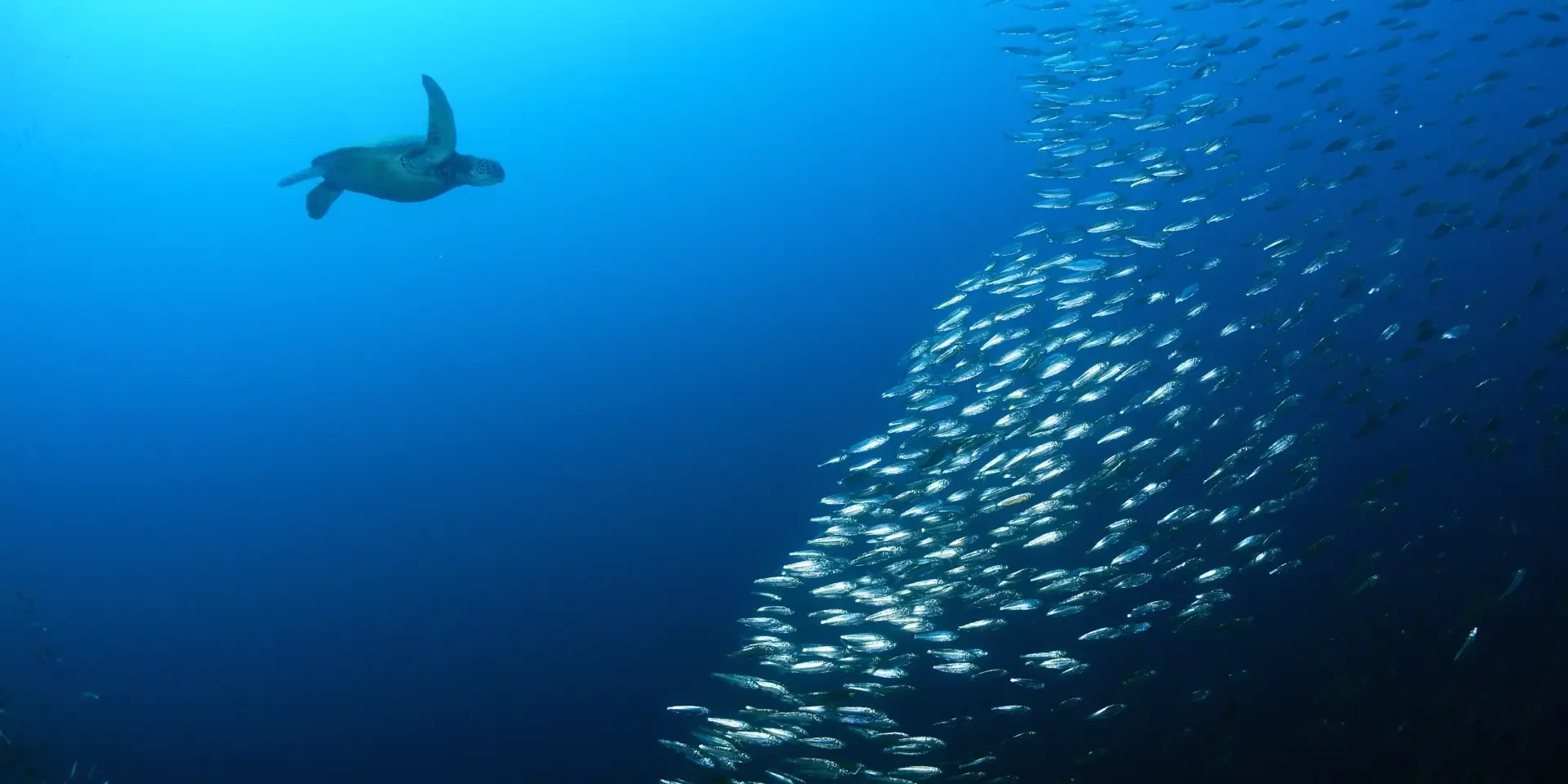
At its core, the sardine run refers to the aggregation of vast numbers of sardines, primarily species like Sardinella, into dense schools. In Panglao, this creates a mesmerizing “bait ball” or vortex where the fish move in unison, forming walls, tunnels, and swirling patterns. This behavior is a survival strategy, confusing predators and providing safety in numbers. The schools can be so thick that they block out the sunlight, casting hypnotic shadows on the reef below.
What sets Panglao’s sardine run apart is its permanence. Rather than a fleeting event, the sardines remain in the area consistently, influenced by nutrient-rich waters and protective reef structures. The phenomenon occurs close to the surface, often at depths accessible to snorkelers, making it inclusive for all skill levels. Witnesses describe it as an underwater ballet, with the fish responding to light, currents, and even the presence of divers by shifting formations in an instant.
Location and Accessibility
The diving of Panglao Island, part of Bohol Province in the Visayas region of the Philippines, hosts this spectacle at Napaling Point, also known as Napaling Reef or Cliff Dive. Situated on the northern edge of the island, it’s just a short 15-minute drive from popular spots like Alona Beach. The site features a dramatic drop-off where the reef plunges steeply from shallow waters to depths exceeding 25 meters, providing an ideal habitat for the sardines.
Access is straightforward and shore-based, with entry points through local resorts such as Molave Cove, Panglao Kalikasan Dive Resort, or Almira Diving Resort. Visitors typically pay a small environmental fee, around 300 pesos per person, which includes access to stairs or platforms leading directly into the water. No boat is necessary for the main experience, though guided tours by boat can enhance exploration of nearby areas. The proximity to accommodations, restaurants, and markets makes it convenient for day trips, and the roped-off area ensures safety from boats and fishing activities.
The Spectacle Underwater
Diving into the waters at Napaling, the sardine run unfolds like a living artwork. As you approach the drop-off, a shimmering silver cloud appears, composed of countless sardines undulating with the current. Swimming through the school feels surreal—the fish part around you, enveloping your body in a tunnel of motion before reforming seamlessly. Sunlight filters through the mass, creating kaleidoscopic effects that dance across the coral wall.
Predators add an element of excitement; jackfish, barracudas, and occasionally tuna dart in for a quick strike, causing the school to erupt in frantic swirls. The drop-off itself is a steep wall adorned with black corals, feather stars, and sponges, dropping into deeper blues where larger marine visitors might appear. This close-to-shore accessibility means the spectacle is just a few fin kicks away, allowing for extended sessions without fatigue.
Marine Biodiversity
Beyond the sardines, Napaling Reef teems with life. The vibrant coral gardens host a rainbow of species, including soft corals in hues of blue, purple, and orange, as well as artificial reefs that encourage growth. Fish diversity is staggering: schools of chromis and sea goldies flit about, while surgeonfish, butterflyfish, Moorish idols, pufferfish, and various anemonefish add color and movement.
Larger inhabitants include green sea turtles grazing on algae, white-spotted eagle rays gliding gracefully, and even manta rays with wingspans up to five meters. Rare sightings of whale sharks, dolphins, and whales like grey, minky, or pilot whales elevate the experience. The plankton-rich environment sustains this biodiversity, creating a food chain that supports everything from tiny reef dwellers to apex predators. This richness rivals some of the world’s top dive sites, all concentrated in one accessible location.
Diving and Snorkeling Experiences
Whether you’re a beginner snorkeler or an advanced freediver, the sardine run offers unforgettable adventures. Snorkelers can float at the surface, watching the schools below, while freedivers plunge deeper to interact with the bait balls. Scuba divers explore the wall’s caves and crevices, often encountering turtles or rays. Cliff jumping into the midst of the sardines provides an adrenaline rush, with the fish remaining undisturbed.
Tours are available for all levels, including gear rental and guides who point out highlights and ensure safety. Mornings are ideal for clear visibility, and calm conditions during the southwest monsoon from May to October make for flat seas. Tips include moving slowly to avoid scattering the fish, maintaining buoyancy to protect the reef, and using reef-safe sunscreen. Many describe the sensation as meditative, with the ocean’s hum fading into the rhythmic pulse of the school.
Ecological Significance
The sardine run exemplifies the ocean’s interconnected web. The sardines serve as a keystone species, feeding on plankton and in turn becoming prey for larger fish, maintaining population balances. The reef’s structure—steep walls, consistent currents, and protected status—fosters this thriving ecosystem. It highlights how minimal human interference can allow nature to flourish, providing insights into marine health.
As a biodiversity hotspot, Napaling contributes to the broader Philippine seas, which boast more species than many entire countries. The phenomenon draws eco-tourism, supporting local economies while raising awareness about ocean conservation.
Conservation Challenges
Despite its allure, the sardine run faces threats from unsustainable practices. Overcrowding from tourists can stress the fish, while harmful sunscreens damage corals, and plastic pollution endangers the entire system. Climate change, with rising temperatures and ocean acidification, poses long-term risks to reef health. Overfishing in surrounding areas could disrupt the food chain.
Efforts include marine protected areas, where fishing is restricted, and eco-friendly guidelines promoted by dive shops. Visitors are encouraged to follow “leave no trace” principles, support local initiatives, and choose operators committed to sustainability. Monitoring by organizations helps track changes, ensuring the spectacle endures.
Fun Facts and Conclusion
Did you know the sardine schools can be so dense they create their own micro-currents, or that whale sharks sometimes join the fray for a plankton feast? These quirks make the experience even more magical. In conclusion, the sardine run in Panglao embodies the wonders of the underwater world, blending thrill, beauty, and ecology. By visiting responsibly, we can preserve this treasure, allowing others to dive into its shimmering embrace.
Whether snorkeling casually or diving deep, Panglao’s sardine run leaves an indelible mark, reminding us of the ocean’s endless mysteries.