Wild Blue: The Top 5 Dive Locations in Africa
When travelers think of an African adventure, their minds usually drift to land-based safaris. They picture watching the sunrise over the Serengeti, tracking lions in the Maasai Mara, or watching elephants gather at a watering hole in Botswana.
But for scuba divers, the real safari begins where the land ends.
Africa is flanked by some of the most dynamic marine environments on Earth. From the nutrient-dense, current-swept waters of the cold Atlantic to the crystal-clear, sun-soaked basins of the tropical Red Sea, the African continent serves as a massive crossroads for marine life. If you want to experience diving at its rawest and most diverse, these five African destinations deserve a spot on your travel radar.
 1. Hurghada, Egypt (The Red Sea)
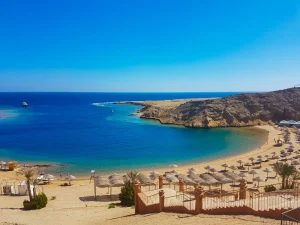
Sitting on the northeast edge of the continent, Egypt’s Red Sea coast is Africa’s undisputed capital of tropical scuba diving. While there are several hubs along this coast, Hurghada stands out as the ultimate gateway because it balances world-class reef ecosystems with unparalleled maritime history.
-
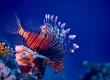
The Highlight: Hurghada is famous for its incredible variety. A short boat ride takes you to the Giftun Islands Marine Protectorate, where vertical walls are cloaked in massive gorgonian sea fans. It is also the perfect launching pad to explore the historic ship graveyard at Abu Nuhas (housing four iconic wrecks) and Sha’ab El Erg, a horseshoe-shaped reef famous for its resident pod of wild spinner dolphins.
-
Why it belongs here: Beyond the marine life, Hurghada’s reefs are famous for their evolutionary resilience. The corals diving in Egypt possess a unique heat tolerance, meaning that while other global reefs face bleaching challenges, Hurghada’s underwater world remains a thriving, technicolor paradise. It offers the most reliable, clear, and biologically rich tropical diving on the entire continent.
 2. Kwazulu-Natal, South Africa (The Adrenaline Coast)
If Hurghada represents the beauty of tropical coral reefs, South Africa represents the raw, unfiltered power of the open ocean. The coast of KwaZulu-Natal—specifically Aliwal Shoal and Sodwana Bay—is legendary among thrill-seekers.
-
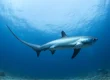
The Highlight: Aliwal Shoal is a fossilized sand dune sitting three miles offshore, carved by strong currents and packed with caves and swim-throughs. It is globally renowned for its shark encounters. Depending on the season, you can find yourself sharing the water with dozens of ragged-tooth sharks, oceanic blacktips, and massive tiger sharks.
-
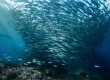
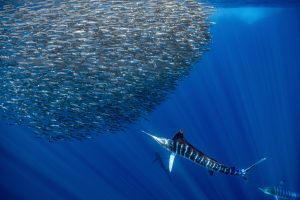
The Ultimate Epic: If you time your trip for June or July, you can witness the Sardine Run. Billions of silver sardines migrate up the coast, creating a feeding frenzy that attracts thousands of common dolphins, Cape gannets, sharks, and Bryde’s whales. It is widely considered the ultimate marine safari on Earth.
 3. Bazaruto Archipelago, Mozambique (The Dugong Sanctuary)
Composed of six idyllic islands off the southern coast of Mozambique, the Bazaruto Archipelago is a protected National Park that feels like a forgotten paradise. It is a land of towering white sand dunes that plunge directly into a turquoise ocean.
-
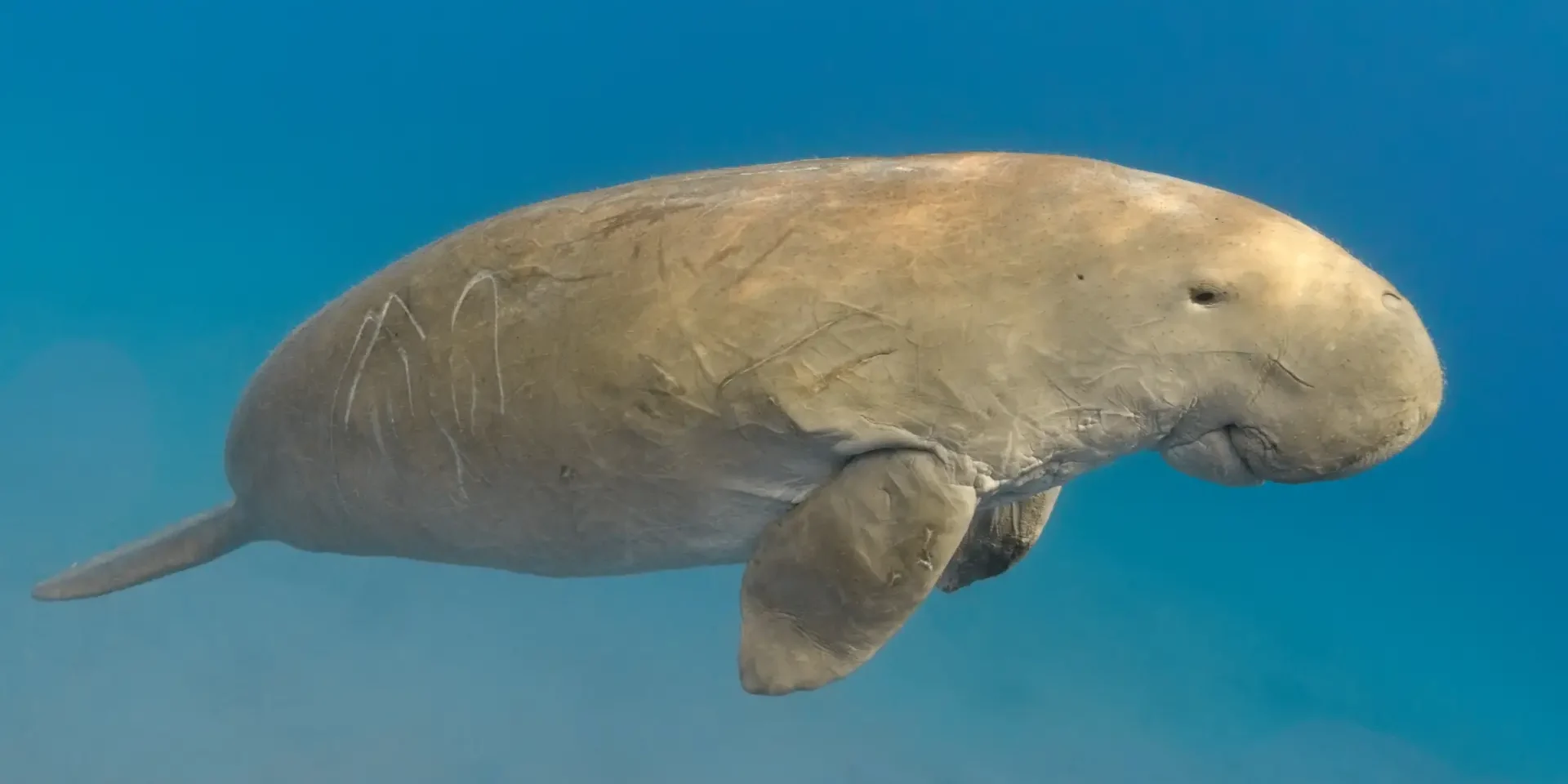
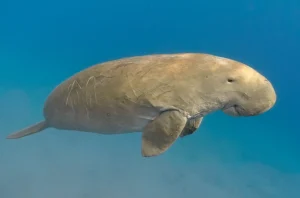
The Highlight: Bazaruto is home to the last viable population of dugongs (the Indo-Pacific cousin of the manatee) in the western Indian Ocean. Underwater, the reefs are wild and uncrowded. At sites like Two-Mile Reef, the coral structures form a protective barrier packed with reef sharks, giant moray eels, and five distinct species of sea turtles.
-
The Vibe: This is remote, exploratory diving. The visibility is often spectacular, and because tourism numbers are tightly regulated, you will rarely see another dive boat on the horizon. It is a haven for macro lovers and big-animal enthusiasts alike, with manta rays and humpback whales migrating through the deep channels outside the reef.
 4. Tofo Beach, Mozambique (The Manta and Whale Shark Hub)
Just a few hours south of Bazaruto lies Tofo Beach, a laid-back surf town that happens to sit next to a major oceanographic superhighway. It is globally recognized as one of the best places in the world for reliable, year-round encounters with the ocean’s largest filter feeders.
-
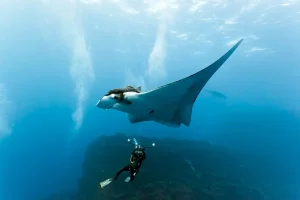
The Highlight: Tofo is famous for its deep reef pinnacles, such as Manta Reef, which feature active cleaning stations. Here, giant oceanic manta rays (with wingspans reaching up to 7 meters) hover effortlessly while cleaner wrasse remove parasites from their skin.
-
The Giants: The nutrient-rich plankton blooms that draw in the mantas also attract a massive permanent population of juvenile whale sharks. It is common to spot their massive, polka-dotted silhouettes from the boat before dropping in with a snorkel for an unforgettable surface swim.
5. Zanzibar Archipelago, Tanzania (The Spice Island Reefs)
Located off the coast of East Africa, Zanzibar is famous for its white-sand beaches and historic Stone Town. But for divers, the real treasure lies just offshore at the Mnemba Atoll.
-
The Highlight: Mnemba is a private island surrounded by an oval-shaped reef conservation area. The shallow inner lagoon features crystal-clear water and gentle conditions, making it an incredible place for training or relaxed photography. The outer wall drops into the deep blue, where you can spot green turtles, schooling barracuda, and pod after pod of wild bottlenose dolphins.
-
Why it’s special: Zanzibar combines top-tier Indian Ocean marine life with an incredible cultural surface interval. After a day of drifting past colorful walls of hard coral, you can spend your evening exploring ancient spice markets, making it a perfectly rounded African travel experience.
The Continental Contrast
Africa’s coastlines offer a beautiful contrast of styles. You can start your journey in the north, drifting through the calm, clear, and resilient coral cathedrals of Hurghada, and then head south to experience the wild, current-swept shark encounters of Mozambique and South Africa.
No matter which destination you choose to log next, diving in Africa is a reminder of what the natural world looks like when it is left to run wild. Pack your gear, cross the equator, and discover the blue heart of the wild continent.